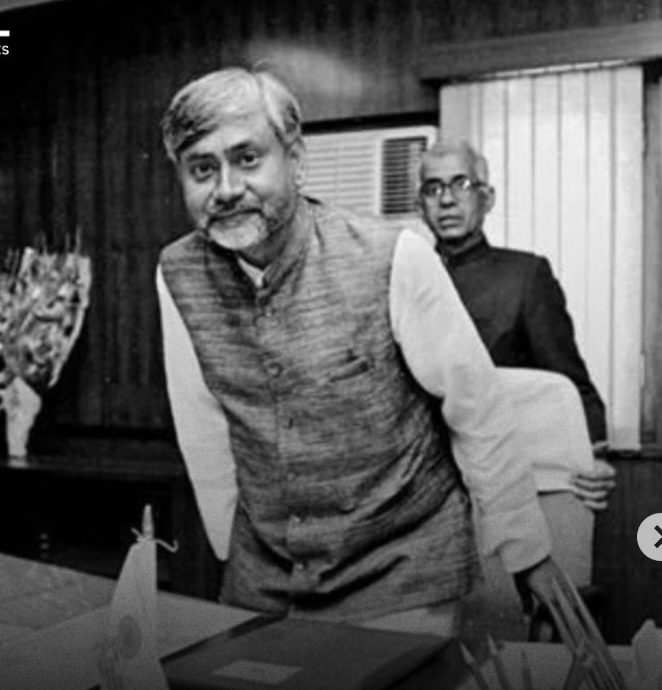
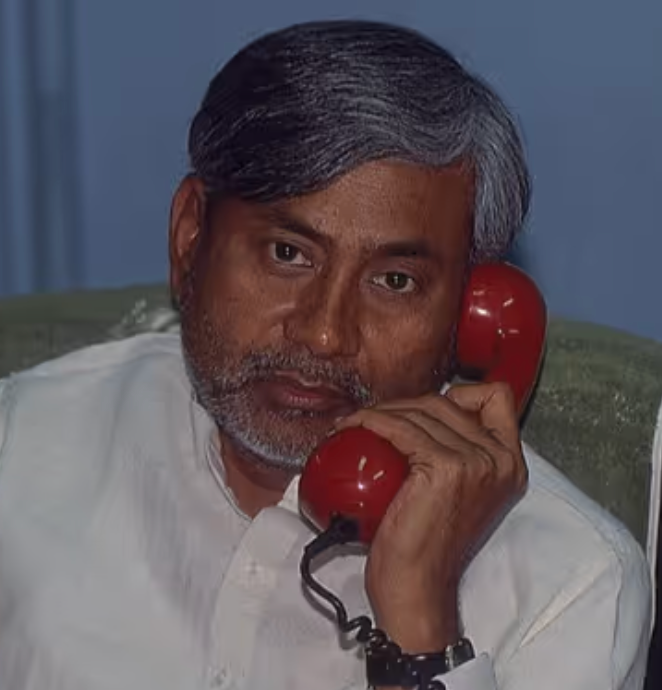
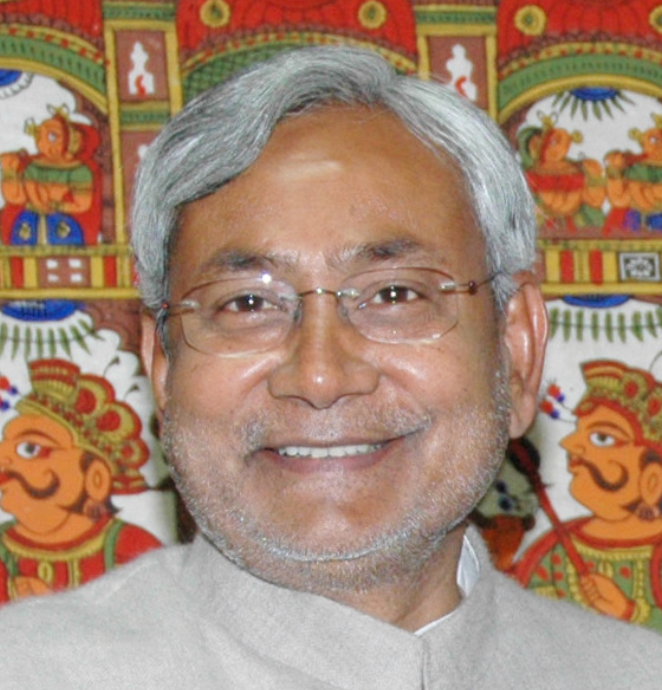
Shri Nitish Kumar
POLITICAL LEADER

Shri Nitish Kumar

Ex-Chief Minister of Bihar, Member of Rajya Sabha
Janata Dal (United)
Patna, Bihar

A public leader committed to governance, development, social justice and public welfare.

Shri Nitish Kumar was born on 1 March 1951 at Bakhtiarpur in Patna district, Bihar. He obtained a B.Sc. (Engineering) degree from Bihar College of Engineering, Patna, now known as NIT Patna.

He has been associated with public life and politics in Bihar and India for several decades. He served multiple terms as Chief Minister of Bihar and was also a Union Minister in the Government of India.

Shri Nitish Kumar served as Chief Minister of Bihar until April 2026. He subsequently became a Member of the Rajya Sabha. He is a former Chief Minister of Bihar.

Serving people with purpose.

Shri Nitish Kumar has served the people of Bihar through a long public life focused on governance, development, infrastructure, education, social welfare and inclusive growth. His public service has emphasized strengthening institutions, improving basic services and expanding opportunities for people across the state.

Shri Nitish Kumar was born on 1 March 1951 at Bakhtiarpur in Patna district, Bihar. His father, Late Shri Kaviraj Ram Lakhan Singh, was a farmer and Ayurvedic physician. Shri Nitish Kumar completed his engineering education at Bihar College of Engineering, Patna, now known as the National Institute of Technology, Patna.

Shri Nitish Kumar entered public life and subsequently became associated with politics in Bihar and at the national level. He has served as a Member of Parliament and has held ministerial responsibilities in the Government of India.

He became Chief Minister of Bihar in 2000 and subsequently served several terms in that office. His tenure included periods beginning in 2005, 2010, 2015, 2020 and 2025. His final term as Chief Minister began in November 2025. He resigned from the office in April 2026.

During his political career, Shri Nitish Kumar has served in the Union Government in ministerial positions, including responsibilities relating to Railways and other portfolios. He has also served as a Member of Parliament in both the Lok Sabha and Rajya Sabha.

The Bihar Government's official material associated with his administration documents programmes including the "Saat Nischay", "Saat Nischay-2" and "Saat Nischay-3" programmes. These programmes covered areas including education, youth development, employment, women's empowerment, electricity, drinking water, sanitation, roads, irrigation, healthcare, urban development and connectivity.

The Bihar Government has described the governance approach associated with Shri Nitish Kumar in terms of rule of law, justice with development, good governance, transparency and inclusive growth. These are descriptions published by the Bihar Government and should be treated as an official description of the government's stated approach rather than an independent assessment.

Shri Nitish Kumar's latest tenure as Chief Minister ended in April 2026. He subsequently moved to the Rajya Sabha and is currently a Member of the Rajya Sabha.

Vision

To promote inclusive development, social justice, good governance and improved opportunities for citizens.

The development vision articulated through the Bihar Government programmes associated with Shri Nitish Kumar has focused on development, good governance and improving the quality of life of citizens.

The Bihar Government's documented programmes include the Saat Nischay, Saat Nischay-2 and Saat Nischay-3 frameworks. The stated objectives include youth development and employment, women's empowerment, education, electricity, drinking water, sanitation, roads and connectivity, irrigation, healthcare, urban development, agriculture and improved ease of living.

The Bihar Government has also stated the objective of bringing Bihar into the category of India's most developed states through the Saat Nischay-3 programme.

Mission

To work towards better public services, infrastructure, education, healthcare, employment opportunities and inclusive development.
Good governance and transparency
Rule of law and justice with development
Youth education, skills and employment
Women's empowerment
Electricity and basic infrastructure
Drinking water and sanitation
Roads and connectivity
Agriculture and irrigation
Healthcare
Urban development
Improved ease of living
Inclusive development

Areas of public service

01

Public Service Information

Public-service areas will be updated here.

Projects & progress

Development Projects

Development projects and progress will appear here.
Development